Modern approaches to sustainable agricultural technology
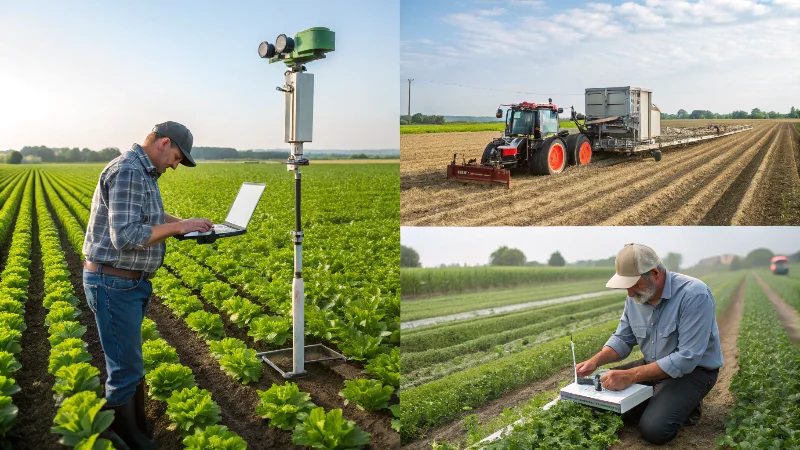
Emerging agri-tech solutions are enabling farmers to achieve unprecedented levels of sustainability while maintaining or improving productivity and profitability. Advanced automation systems optimize resource utilization, reducing waste and environmental impact. Sophisticated monitoring networks track water, energy, and nutrient flows with precision that enables fine-tuned management. Scientific farming methods integrate ecological principles with technological capabilities, creating production systems that work with natural processes rather than against them. These innovations address growing concerns about agricultural sustainability by demonstrating that environmental stewardship and economic viability can coexist when supported by appropriate technology and data-driven decision-making frameworks.
Water Efficiency Technologies
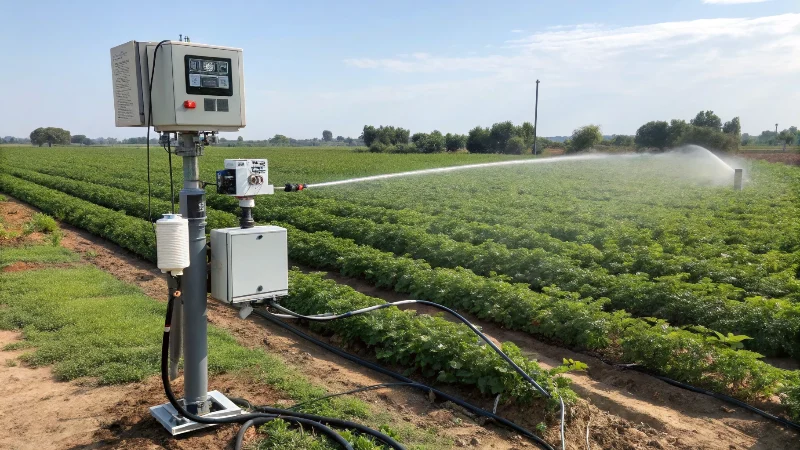
Water scarcity increasingly constrains agricultural production globally, driving rapid innovation in irrigation technology and water management systems. Soil moisture sensors, plant stress monitors, and weather-based controllers enable precision irrigation that delivers water only when and where needed. Deficit irrigation strategies, guided by crop growth models and economic analysis, optimize water productivity by deliberately managing controlled stress periods. Drainage water recovery and treatment systems recycle irrigation runoff, reducing freshwater extraction while preventing nutrient pollution of surface waters.
- Variable rate irrigation systems adjust application rates across fields based on soil characteristics, topography, and crop water use patterns, eliminating over-watering in some zones while ensuring adequate supply in others
- Remote sensing-based crop water stress indices detect irrigation needs before visible symptoms appear, enabling proactive management that maintains optimal growing conditions with minimum water use
- Subsurface drip irrigation eliminates evaporative losses while delivering water and nutrients directly to root zones, improving efficiency by 20-40% compared to traditional sprinkler systems
- Real-time evapotranspiration calculations using weather station networks and crop coefficients provide scientifically-based irrigation scheduling recommendations that replace experience-based intuition
Sustainability Technology Comparison
The following table compares traditional agricultural practices with technology-enhanced sustainable approaches, quantifying environmental and economic benefits of modern agri-tech adoption.
| Resource Category | Traditional Practice Impact | Sustainable Technology Impact |
|---|---|---|
| Water Consumption | High with significant runoff | 25-35% reduction through precision management |
| Fertilizer Application | Uniform rates with nutrient losses | Variable rate matching crop needs, minimal losses |
| Energy Use | Standard for conventional equipment | 15-25% reduction via optimized operations |
| Soil Health Trends | Variable, often declining | Improving through monitoring and adaptive management |
"Sustainable agriculture technology proves that environmental responsibility enhances rather than compromises farm profitability. Precision resource management reduces input costs while improving ecological outcomes—a true win-win for producers and society."
Scientific Farming Integration
Modern sustainable agriculture represents the convergence of agronomic science, ecological principles, and digital technology into holistic farm management systems. Integrated pest management combines biological controls, targeted chemical applications, and cultural practices informed by pest monitoring networks and predictive models. Cover cropping and reduced tillage improve soil health while precision planting and variable rate fertility optimize the subsequent cash crop. Carbon accounting tools help farmers quantify and potentially monetize greenhouse gas reductions achieved through improved practices. These scientific approaches demonstrate that sustainable intensification—producing more with less environmental impact—is achievable when farmers have access to appropriate technologies and decision support systems. Continued innovation in sustainable agri-tech will be essential for meeting global food demand while preserving natural resources and mitigating agricultural contributions to climate change.