
Strategic Decision Making in Agricultural Education
Agricultural education programs have to deal with a lot of problems that need complicated decision-making systems to make sure that students do well and the programs are useful to the industry. Modern agriscience teachers need to find a mix between teaching traditional farming skills and using new tools, data analytics, and creative ways to teach.
Strategic thinking is needed in this field so that it can adapt to changing needs in the business while still upholding high academic standards and training students for a wide range of farming jobs.
How to Make Decisions About Agricultural Education
Agricultural education programs that work are based on basic ideas that link what you learn in the classroom with what you do in the real world. AgroKnowledge has long stressed how important it is for farm science curriculums to include science, technology, and math.
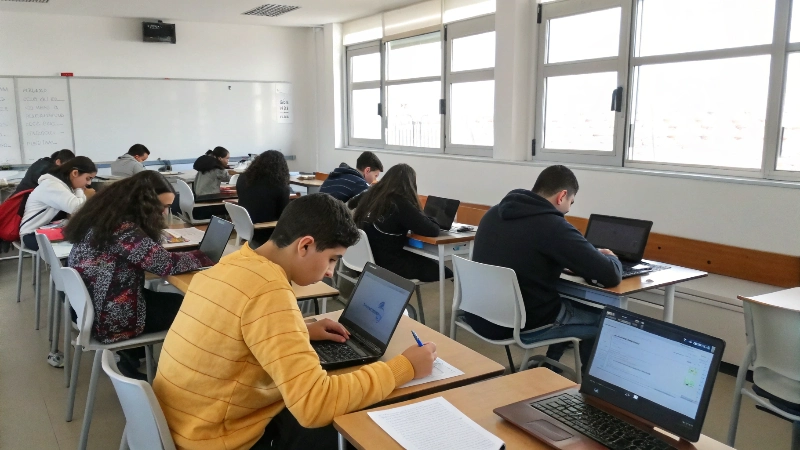
The integration of theoretical knowledge with practical application forms the foundation of effective agricultural education. Programs must continuously evaluate their curriculum to ensure alignment with industry demands and emerging agricultural technologies.
"Agricultural education must bridge the gap between classroom theory and real-world farming practices to prepare students for the complex challenges of modern agriculture."
Key Ideas for Making an Agriscience Program
When planning coursework, program designers need to think about the types of students they have, the agricultural businesses in the area, and new job paths that are opening up. The best programs make it easy for students to move from secondary to postsecondary schools. This lets them quickly move up at school while learning a wide range of skills, such as science study, business management, and agricultural technology.
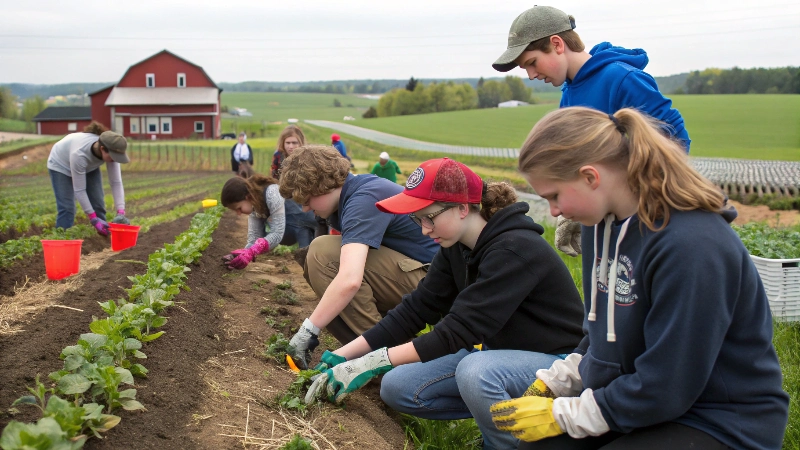
Schools also need to pay attention to the growing need for skilled farmers who know how to use precise farming technologies, deal with problems related to environmental sustainability, and ensure food security around the world. Lab work, field studies, and jobs in the field should all be part of programs so that students can learn by doing. These hands-on parts let students use what they've learned in the classroom in real-life farming situations, which helps them improve their technical and critical thinking skills. Strong relationships with area farms, agribusinesses, and research institutions give students real-world learning experiences and may help them find jobs.
Essential Components of Agriscience Programs
- Diverse Student Preparation: Programs must accommodate students with varying backgrounds and career aspirations, from those pursuing advanced degrees to those entering the workforce directly after secondary education.
- Local Agricultural Context: Curriculum should reflect the specific agricultural industries and opportunities present in the surrounding community and region.
- Emerging Career Pathways: Education must address new and evolving roles in agriculture, including precision agriculture, agricultural technology, and sustainable farming practices.
- Skill Integration: Successful programs blend scientific knowledge, business acumen, technological proficiency, and hands-on agricultural skills.
- Industry Partnerships: Strong connections with local farms, agribusinesses, and research institutions provide authentic learning experiences and employment pathways.
Models for Assessing Risk in School Planning
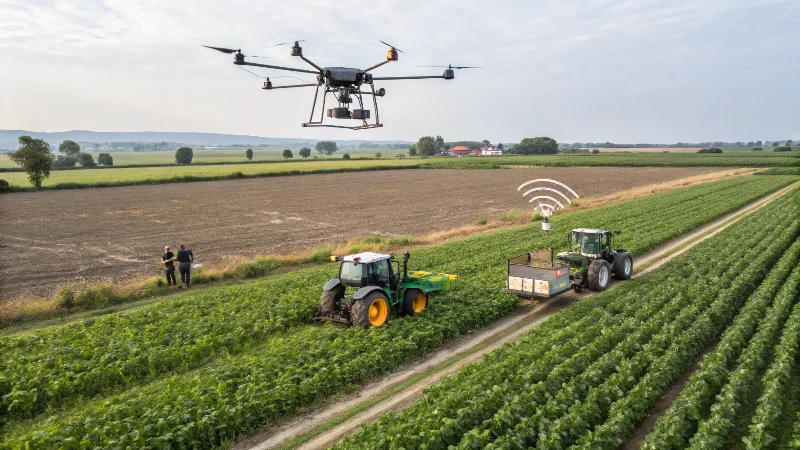
When managers of agricultural education programs make strategic choices about investments in the curriculum, changes to facilities, and the growth of partnerships, they have to look at a lot of risk factors. As part of educational planning, risk assessment includes looking at things like enrollment trends, the needs of the industry's workers, the end of technology, and the school's ability to keep funding. When allocating limited resources to rival goals like buying equipment, helping teachers improve their skills, or marketing programs, decision-makers have to weigh the chances of different results.
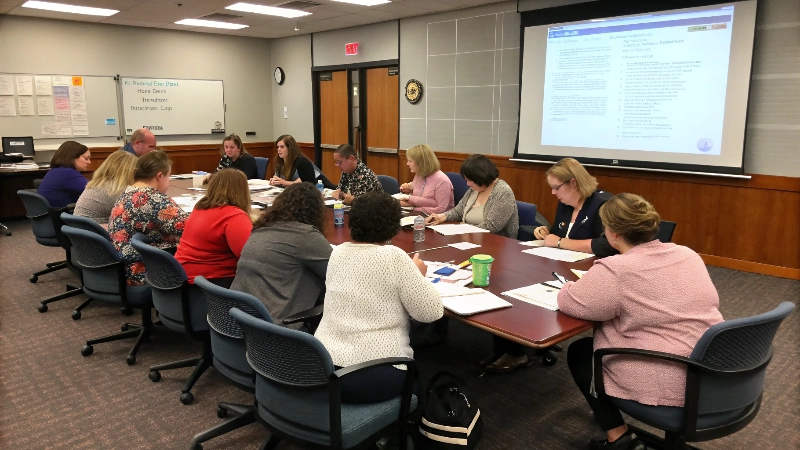
Quantitative risk models help school managers guess how enrollment will change based on changes in population, the economy, and other educational choices. To predict if a program will work, these models use historical data, area agricultural job figures, and demographic information to make predictions about enrollment and possible income.
Key Risk Factors in Agricultural Education Planning
| Risk Category | Key Considerations | Mitigation Strategies |
|---|---|---|
| Enrollment Trends | Population changes, student interest in agriculture, competing programs | Market research, community outreach, program differentiation |
| Industry Workforce Needs | Changing agricultural job market, skill requirements, regional demand | Industry advisory committees, labor market analysis, curriculum updates |
| Technological Evolution | Rapid advancement in agricultural technology, equipment obsolescence | Flexible curriculum design, industry partnerships, incremental equipment updates |
| Financial Sustainability | Funding availability, operational costs, resource allocation | Diversified funding sources, cost-benefit analysis, strategic investments |
| Partnership Viability | Reliability of industry partners, institutional relationships | Multiple partnership development, formal agreements, regular communication |
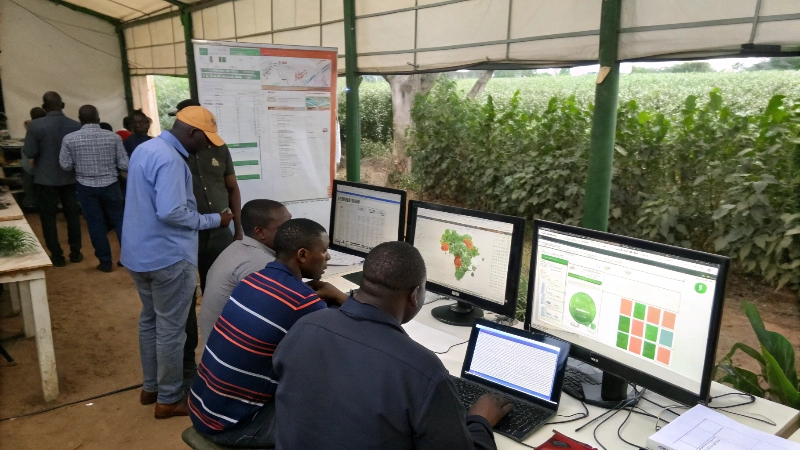
Effective risk management in agricultural education requires a balanced approach that considers both quantitative data and qualitative factors. Decision-makers must remain flexible and responsive to changing conditions while maintaining a clear vision for program development and student success.
"Strategic risk assessment enables agricultural education programs to make informed investments that balance current needs with future opportunities, ensuring long-term sustainability and relevance."
Implementing Strategic Decisions in Practice
The translation of strategic decisions into actionable programs requires careful coordination between administrators, instructors, industry partners, and students. Successful implementation depends on clear communication of goals, adequate resource allocation, and ongoing evaluation of outcomes.
Modern agricultural education programs must embrace data-driven decision-making while remaining adaptable to unexpected challenges. This includes monitoring student performance metrics, tracking graduate employment rates, and assessing the relevance of curriculum content to current industry practices.
Furthermore, strategic decision-making should incorporate feedback loops that allow programs to learn from both successes and failures. Regular program reviews, stakeholder consultations, and industry trend analysis ensure that agricultural education remains responsive to the evolving needs of students and the agricultural sector.
Frequently Asked Questions About Strategic Decision Making in Agricultural Education
What is strategic decision making in agricultural education?
Strategic decision making in agricultural education involves using systematic approaches to determine how programs can best serve students and meet industry needs. It requires balancing traditional farming skills with modern technologies, data analytics, and innovative teaching methods while adapting to changing business landscapes and academic standards.
Why are risk assessment models important for agricultural education programs?
Risk assessment models help program managers evaluate potential outcomes when making strategic choices about curriculum investments, facility changes, and partnership development. These models use historical data, enrollment trends, economic factors, and industry workforce needs to predict program success and guide resource allocation decisions, ensuring sustainable and effective agricultural education programs.
How can agricultural education programs prepare students for both secondary and postsecondary pathways?
Effective programs design curriculum that allows students to transition smoothly from secondary to postsecondary education while building a broad skill set. This includes integrating science, business management, and agricultural technology into coursework, providing hands-on learning experiences through lab work and field studies, and establishing partnerships with farms, agribusinesses, and research institutions that offer real-world learning opportunities and potential employment.
What role does industry partnership play in agricultural education?
Industry partnerships are essential for providing students with authentic learning experiences that connect classroom knowledge to real-world farming situations. Strong relationships with area farms, agribusinesses, and research institutions enable hands-on learning, expose students to current industry practices and technologies, help develop critical thinking and technical skills, and create pathways to employment after graduation.
What factors should be considered when planning an agriscience curriculum?
Curriculum planners must consider the types of students in their programs, the agricultural businesses and opportunities in their local area, emerging job pathways in the agricultural sector, and the need for skilled farmers who can address environmental sustainability and food security challenges. Programs should integrate science, technology, and math with traditional farming knowledge while providing flexibility for students to pursue various postsecondary and career options.