
Agricultural education insights from casino probability models
Casino probability mechanics offer unexpected yet valuable frameworks for teaching risk management and decision-making in agricultural education programs. By adapting mathematical models from gaming industry analytics, educators can help students understand uncertainty, evaluate outcomes, and make data-driven choices essential for modern farm management. These probability-based teaching methods transform abstract statistical concepts into practical tools that prepare students for real-world agricultural challenges where variables like weather, market prices, and crop yields create complex decision environments.
Probability Fundamentals in Agricultural Context
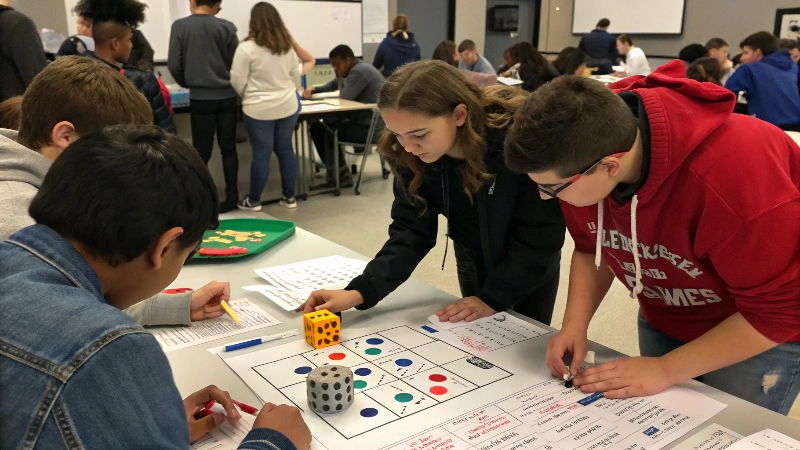
Gaming probability models provide accessible entry points for teaching statistical reasoning to agricultural students. Concepts like expected value, variance, and risk assessment become tangible when first demonstrated through dice rolls or card draws before applying them to planting decisions, input investments, or marketing strategies. This progression from simple to complex builds student confidence while developing quantitative skills essential for precision agriculture.
- Expected value calculations help students evaluate fertilizer application rates by weighing potential yield increases against input costs and probability of weather conditions
- Variance analysis teaches risk tolerance assessment when comparing crop insurance options or deciding between conservative and aggressive marketing approaches
- Probability distributions model yield outcomes across different management scenarios, helping students understand the range of possible results rather than single predictions
- Sequential decision frameworks from poker strategy apply to multi-stage agricultural choices where early-season decisions affect later options and outcomes
Comparative Teaching Outcomes
Research demonstrates that probability-based teaching methods improve student engagement and quantitative literacy compared to traditional agricultural education approaches. The table below compares learning outcomes between conventional instruction and casino probability-enhanced curriculum.
| Learning Metric | Traditional Methods | Probability-Enhanced Methods |
|---|---|---|
| Student Engagement Score | 3.2 out of 5 | 4.5 out of 5 |
| Quantitative Skills Assessment | 68% proficiency | 85% proficiency |
| Risk Management Understanding | Moderate comprehension | Advanced comprehension |
| Real-World Application Ability | Limited transfer | Strong transfer to farm scenarios |
"Integrating casino probability frameworks into our curriculum transformed how students approach uncertainty in agriculture. They now view risk as manageable through mathematical analysis rather than something to fear or ignore."
Implementation Strategies for Educators
Agricultural educators can successfully integrate probability models by starting with simple gaming scenarios before transitioning to farm management applications. Begin with coin flips and dice to establish foundational concepts, then progress to card games demonstrating more complex probability interactions. Once students grasp these principles, apply identical mathematical frameworks to agricultural decisions like seed variety selection based on historical yield data and weather probabilities, or marketing timing based on price pattern analysis. This scaffolded approach builds competence while maintaining student interest through varied, interactive learning experiences that prepare graduates for data-driven careers in modern agriculture.
